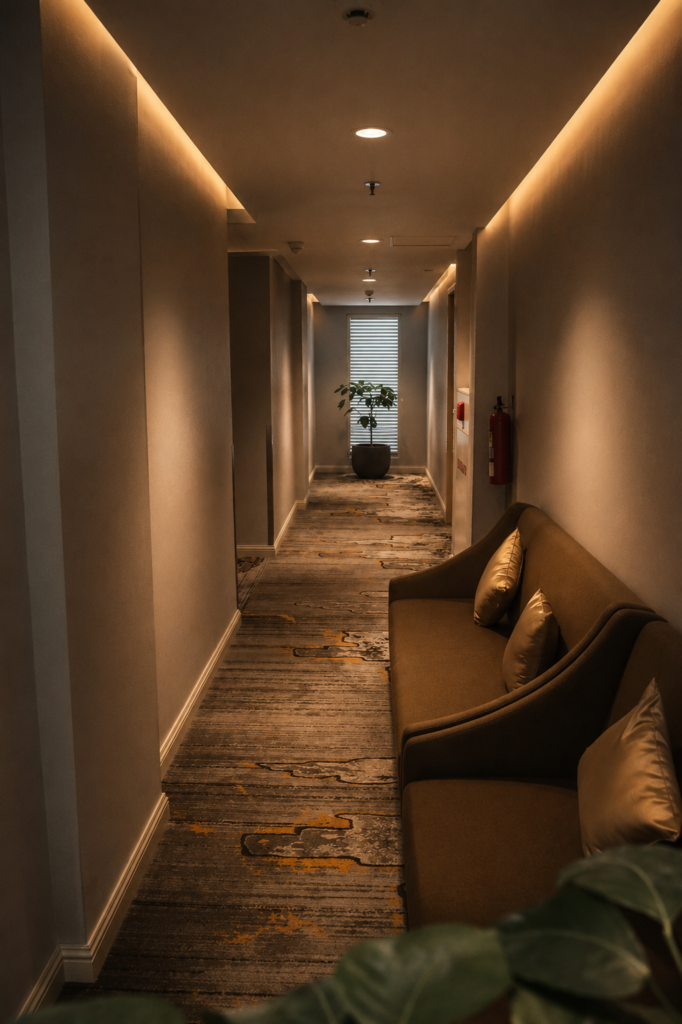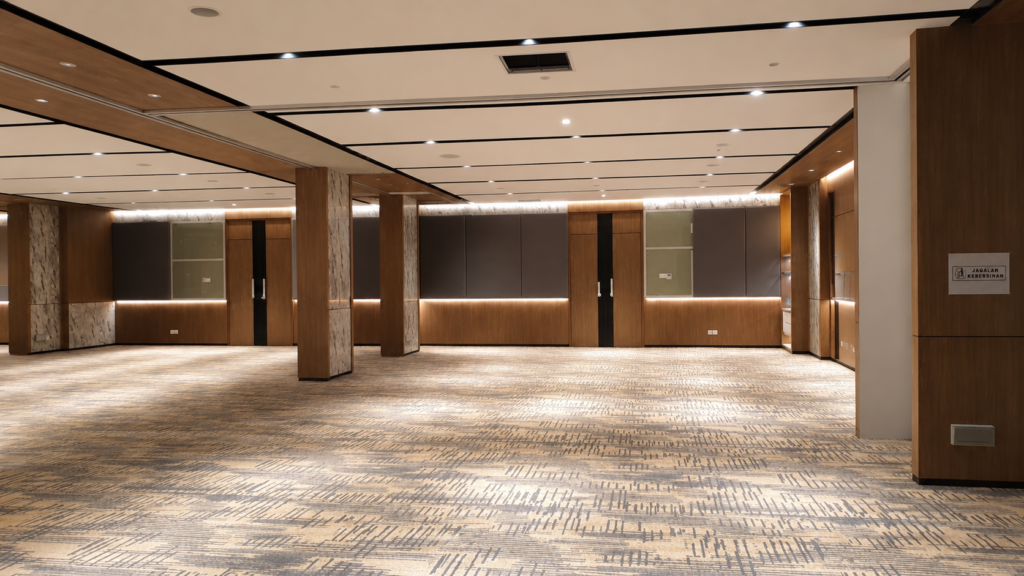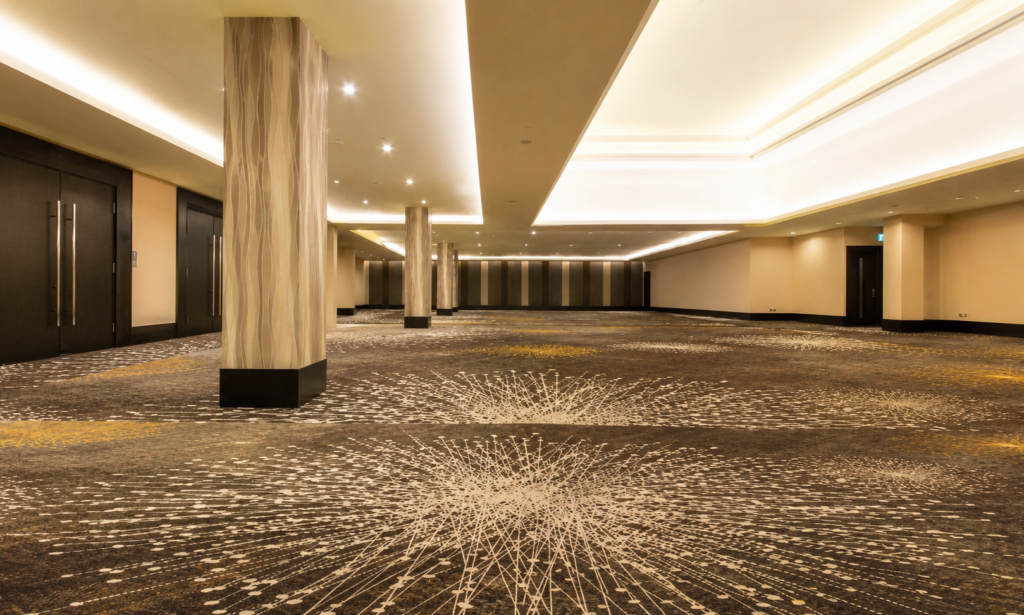

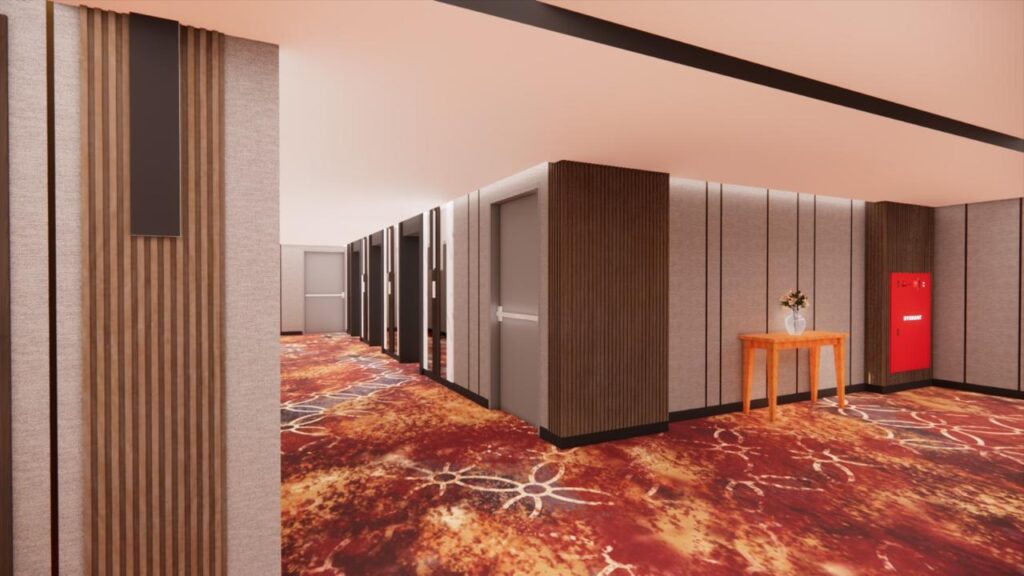
Commercial carpets in hotels, office buildings, and public facilities are high-value interior assets. Without a properly planned maintenance program, the buildup of abrasive dirt—such as sand and micro-dust—will cut the carpet fibers from the inside. This causes the carpet to look dull, fray, and deteriorate in just 2 to 3 years.
Conversely, implementing the right standard operating procedure (SOP) for maintenance is proven to extend a carpet’s lifespan to 10–12 years. This preserves the building’s visual aesthetics and saves hundreds of millions of Rupiah (and significant capital) in early renovation and replacement costs.
1. Why Do Commercial Carpets Need a Standardized Maintenance Protocol?
Carpet soil in commercial settings is divided into two main categories:
-
Abrasive Dry Soil (80–85%): Dust, sand, and soil particles brought in by footwear. If left to settle at the pile base, these sharp particles act like microscopic knives, grinding and wearing down the yarn fibers every time they are stepped on.
-
Oily Soil & Liquid Stains (15–20%): Oil from shoe soles, coffee spills, tea, food residue, or chemicals. This sticky residue acts as a magnet for dry dust, making the stain permanent if not treated immediately.
2. Commercial Carpet Maintenance Schedule & SOP
An ideal commercial carpet care system is divided into four continuous and actionable stages:
| Maintenance Frequency | Core Activity | Focus Area | Recommended Equipment |
| Daily Care | Routine Vacuuming & Spot Cleaning (Immediate stain removal) | Lobbies, Main Corridors, Entrances, Elevators, & Dining Areas | Commercial Upright Vacuum Cleaner with Beater Bar / HEPA Filter |
| Weekly Care | Deep Vacuuming & Edge/Corner Cleaning | Hotel Guest Rooms, Office Workspaces, & Function Rooms | Heavy-Duty Commercial Vacuum & Crevice Tool Attachment |
| Interim Care (Monthly / Quarterly) | Encapsulation Cleaning / Dry Foam Cleaning | High-Traffic Corridors & Main Meeting Rooms | Cylindrical Brush Machine & Polymer Encapsulation Chemical |
| Deep Periodic Cleaning (Annually) | Hot Water Extraction | Total Deep Cleaning of All Building Areas | High-Pressure Steam / Hot Water Extractor Machine & Professional Cleaners |
3. Emergency Stain Removal Matrix (Carpet Spotting Guide)
The key to successful carpet stain removal is speed. Never rub a carpet stain, as this will permanently damage the fiber structure and spread the soiled area. Always blot gently from the outside edge of the stain toward the center.
| Stain Type | First Action Step | Recommended Cleaning Solution |
| Coffee / Tea / Juice Spills | Immediately absorb the liquid using a clean white microfiber cloth until dry. | Warm Water + Neutral pH Detergent (pH 7–8) |
| Oil / Grease / Food | Scrape off solid residue with a spoon, then blot the stain using a clean cloth. | Dry Cleaning Solvent / Citrus-based Carpet Spotter |
| Ballpoint Ink / Gasoline | Apply a few drops of solvent onto a cloth (never pour directly onto the carpet). Blot gently. | Isopropyl Alcohol (IPA) / Dedicated Ink Spot Remover |
| Blood / Protein Stains | Use COLD water (Hot water will coagulate the protein and lock the stain into the fibers). | Cold Water Solution + Neutral Carpet Shampoo |
4. 5 Fatal Mistakes in Hotel & Office Carpet Care
-
Using Standard Household Vacuum Cleaners: Household vacuums lack the suction power (CFM) and motor-driven beater brushes required to extract heavy abrasive sand from the base of commercial carpets.
-
Using High-Alkaline Laundry Detergents: Standard laundry detergents leave a sticky soap residue on the carpet fibers. This residue attracts new dirt much faster and can strip or damage the yarn’s dyes.
-
Over-Wetting During Cleaning: Using excessive water during cleaning causes moisture to seep deeply into the carpet’s underlayer or backing. This triggers mold growth, musty odors, and delamination (separation of carpet layers).
-
Neglecting Entrance Mats (Wiper Mats): Entrance mats at building doorways trap up to 70% of tracked-in outside dirt. If these mats aren’t cleaned daily, the soil will quickly spread throughout the entire building’s carpeted areas.
-
Scrubbing Stains Vigorously: Rubbing a stain horizontally will destroy the yarn twist (causing tip bloom) and leave the carpet’s texture permanently distorted.
5. Routine Inspection Checklist for Facility Managers
Use this monthly checklist to ensure your housekeeping team is maintaining standard procedures:
-
Are commercial vacuum cleaners functioning properly, and are dust bags/filters replaced routinely?
-
Are entrance mats at every building doorway clean and not saturated with sand and soil?
-
Are there localized spots or stains in the corridors/lobby that have been left untreated for more than 24 hours?
-
Is the indoor humidity level maintained below 60% RH to prevent mold growth?
-
Is deep cleaning via Hot Water Extraction scheduled regularly?
Frequently Asked Questions (FAQ) About Commercial Carpet Maintenance
Q: What is the ideal deep cleaning frequency for a high-occupancy hotel?
A: For corridors and ballrooms in 4- to 5-star hotels with over 70% occupancy, deep cleaning (Hot Water Extraction) is recommended at least 2–3 times a year. This should be combined with monthly interim encapsulation cleaning.
Q: Will frequent cleaning fade the carpet color or damage the material?
A: No. As long as you use certified neutral chemicals (pH 7–8) and professional-grade equipment, routine cleaning actually preserves the flexibility and color vibrancy of your carpet yarn fibers.
Q: Can the manufacturer’s warranty be voided if maintenance procedures are not followed?
A: Yes. Most commercial carpet manufacturers strictly require proof of standardized routine maintenance as a condition for claiming wear warranties
.
Get the Official Maintenance Guide & Care Schedule
Want to ensure your building’s carpet assets are maintained to international manufacturing standards?
-
Annual Carpet Inspection Service: Schedule a technical inspection of your building’s carpets with the specialists at Classic Carpets.